
The historical evolution of gambling From ancient rituals to modern casinos
The Origins of Gambling: Ancient Practices
The roots of gambling trace back thousands of years, intertwining with various ancient cultures. Archaeological findings suggest that as early as 3000 BC, the Chinese were using rudimentary forms of gambling, such as betting on the outcome of games involving sticks and dice. Similarly, evidence from ancient Egypt indicates that dice were crafted from animal bones, indicating that games of chance were integral to social gatherings and rituals. These practices not only served as entertainment but also played a significant role in cultural and religious ceremonies. If you’re intrigued by the modern aspects of gambling, you can explore more at https://slotszer.casino/.

The Romans also embraced gambling, evidenced by the popularity of games involving dice and betting on gladiatorial contests. The societal acceptance of these activities was reflected in literature and public discourse, which often featured references to gaming and chance. However, these activities were not without controversy, as various laws were enacted to regulate gambling practices, showcasing a persistent tension between enjoyment and moral concerns surrounding vice.
As gambling spread across continents, it adapted and evolved, incorporating local customs and beliefs. In many ancient societies, gambling was seen not only as a leisure activity but also as a method of divination or decision-making. From casting lots in biblical times to the ceremonial games of chance played by indigenous tribes, these early forms of gambling laid the groundwork for the more structured and commercialized gambling environments we see today.
The Middle Ages and the Rise of Gaming Houses
The medieval period witnessed significant changes in the landscape of gambling. As Europe emerged from the Dark Ages, taverns and inns became popular venues where people could engage in games of chance. The establishment of official gaming houses marked a pivotal shift, with governments beginning to recognize the potential for taxation and regulation. These establishments catered to a growing public appetite for games such as cards, dice, and even rudimentary versions of modern-day lotteries.
However, the rise of these gaming houses also led to the emergence of strict regulations. Authorities sought to limit gambling’s impact on public morals, imposing various restrictions on where and how gambling could take place. Despite this, the popularity of games like blackjack and poker surged, paving the way for later developments in the gaming industry. The duality of gambling—both as an entertaining pastime and a potential source of societal decay—continued to spark debate among scholars and lawmakers.
In this context, gambling began to intertwine with emerging capitalist ideologies. It transformed from informal, spontaneous activities into organized enterprises that reflected broader economic trends. This evolution was significant, as gambling began to transcend social classes, attracting participants from diverse backgrounds. As a result, the foundations for modern casinos were being laid during this tumultuous yet transformative time in history.
The Birth of the Modern Casino
The 17th and 18th centuries heralded the advent of the modern casino as we understand it today. The first official casino, the Casino di Venezia, opened its doors in Italy in 1638, providing a dedicated space for gambling that was free from the regulations that previously governed taverns and inns. This marked a significant turning point in the history of gambling, as casinos began to emerge as glamorous destinations, drawing patrons eager for entertainment and socialization.
As the concept of casinos spread across Europe, they became synonymous with luxury and leisure. The establishment of the Monte Carlo Casino in 1863 played a pivotal role in popularizing gambling as a glamorous activity, attracting the elite and wealthy from around the world. This shift transformed gambling from a stigmatized activity into a symbol of sophistication, appealing to the desires of the affluent classes.
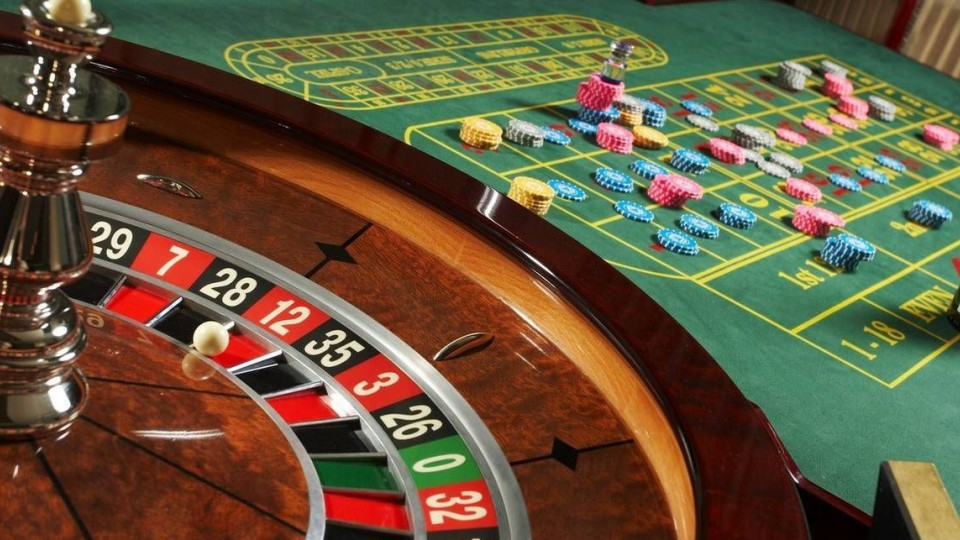
The innovations introduced during this period were also crucial. Games evolved, and new ones were created, with poker and roulette gaining prominence. The creation of standardized rules and regulations contributed to the legitimacy of casinos, establishing a framework that would support the industry’s expansion in the coming years. This evolution was not merely about entertainment but also intertwined with societal perceptions of wealth and success.
The 20th Century: Regulation and Global Expansion
The 20th century brought significant changes to gambling, particularly concerning regulation and commercialization. The establishment of laws in various countries aimed to control gambling activities, address concerns related to addiction, and ensure fair play. In the United States, the repeal of Prohibition in 1933 led to the rise of Las Vegas, which would become a symbol of gambling and entertainment, hosting lavish shows and attracting millions of visitors.
Throughout the century, various forms of gambling gained prominence, from lotteries to sports betting. The legal landscape evolved dramatically, with many jurisdictions lifting bans and regulating the industry. The introduction of online gambling in the late 1990s marked another major milestone, revolutionizing how people engaged with games of chance, allowing players from around the world to participate from the comfort of their homes.
This global expansion of gambling has been accompanied by an increased focus on responsible gaming practices. As awareness of gambling addiction grew, many countries implemented measures to protect players, including self-exclusion programs and mandatory information on risks associated with gambling. This balance of entertainment and responsibility reflects a broader societal understanding of the complexities surrounding gambling activities.
Modern Gambling: Online and Beyond
Today, gambling encompasses a vast array of activities that extend beyond traditional brick-and-mortar casinos. The rise of online casinos has transformed the industry, providing players with unparalleled access to games, sports betting, and live dealer experiences. Platforms like Slotszer Casino illustrate the modern gaming landscape, offering an exciting array of options for players worldwide, including generous bonuses and user-friendly navigation.
This digital shift has not only expanded the audience for gambling but also introduced new challenges and opportunities. Issues of cybersecurity, fair play, and ethical gaming practices have emerged as essential considerations for operators and regulators alike. The advent of mobile gaming has further revolutionized the industry, allowing players to engage with their favorite games anytime and anywhere.
As the gambling landscape continues to evolve, operators are constantly innovating to enhance user experiences. With the integration of technologies like virtual reality and artificial intelligence, the future of gambling holds exciting possibilities. Online platforms like Slotszer Casino are at the forefront of this evolution, striving to offer safe, engaging environments for both newcomers and seasoned players in a dynamic industry.